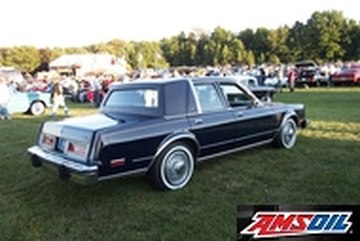
Engine Lubrication and Maintenance for the 1981 Chrysler LEBARON 3.7L
Maintaining the engine lubrication system in a vehicle like the 1981 Chrysler LEBARON with the 3.7L engine requires consistent attention to detail. As vehicles age, the way they respond to maintenance can shift, making it important for owners to move beyond generic service routines and focus on the specific condition of their engine components.Monitoring Fluid Integrity and Potential Leaks
One of the most effective ways to monitor the health of a 3.7L engine is through regular visual inspections of the lubrication system. Over time, various seals and gaskets may undergo changes due to heat cycles and age. It is useful to inspect the area around the engine for any signs of fluid seepage or active leakage. When performing these checks, look for:- Dampness or residue on the underside of engine components.
- Evidence of oil pooling in the oil pan area or near sealing surfaces.
- Discoloration on surrounding parts that might indicate a slow seep.
Observing Changes in Lubricant Condition
The physical appearance of the engine oil can provide significant clues regarding the internal environment of the engine. During routine checks, it is beneficial to observe the color and texture of the lubricant. While some level of darkening is expected as oil undergoes thermal stress and collects microscopic debris, extreme changes should not be ignored. If the oil appears excessively dark or has a gritty texture, it may indicate that the lubricant is reaching the end of its effective service life or that there is an accumulation of deposits within the system. Furthermore, if you notice any unusual mechanical noises during startup or operation, these can sometimes be linked to changes in the lubrication's ability to manage friction effectively. Always treat new symptoms as indicators that require a closer look rather than assuming a specific component has failed.Prioritizing Maintenance Based on Vehicle Condition
For an owner of a 1981 Chrysler LEBARON, establishing a maintenance baseline is a practical way to manage long-term ownership. If you do not have a complete service history for the vehicle, your first priority should be to document its current state. This involves noting the current condition of all fluids, the presence of any existing leaks, and the general cleanliness of the engine bay. Rather than following rigid age-based replacement schedules that may not apply to your specific vehicle, focus on condition-based maintenance. For example:- Reviewing available repair records to see when major components were last serviced.
- Addressing active leaks or visible signs of wear before they escalate into larger issues.
- Monitoring the condition of aging materials, such as hoses or belts, if they are present and accessible.
Managing Aging Engine Components
As a 3.7L engine ages, certain peripheral components may require more frequent inspection. If equipped, accessible drive belts should be checked for signs of deterioration such as cracking, glazing, or fraying. Similarly, if the vehicle is equipped with various hoses, inspecting them for softness, brittleness, or swelling can help prevent unexpected failures. Electrical connections and wiring harnesses should also be examined for signs of corrosion or heat damage, as these can affect the overall reliability of engine-related systems. Maintaining a clean environment around the engine can also make it easier to spot new leaks or issues before they become problematic.Practical Steps for Long-Term Engine Care
Consistent record-keeping is one of the most valuable tools for any vehicle owner. Keeping a detailed log of every oil change, filter replacement, and mechanical repair allows you to identify patterns over time. For instance, if you notice that the engine requires more frequent lubrication top-offs than it did a year ago, your records will help you determine exactly when that trend began. This documentation also provides immense value if you ever decide to sell the vehicle, as it demonstrates a history of attentive ownership. When approaching maintenance, distinguish between preventive measures—such as replacing a worn belt before it breaks—and unnecessary parts replacement. The goal is to maintain the engine's operational integrity through observation and timely action rather than through guesswork.Buying Engine Oil for your 1981 Chrysler LEBARON 3.7L
When it is time to replenish the lubrication in your engine, the most important step is to ensure the product you select matches the specific requirements of your application. Do not rely on general automotive knowledge or assumptions based on the vehicle's age to choose a lubricant. To ensure proper performance and protection:- Match the engine oil to the application-specific viscosity information already displayed on this webpage.
- Verify that the oil meets the appropriate API certification listed on the product packaging.
- Consider different formulations, such as conventional, synthetic blends, or high-mileage oils, based on the specific guidance provided in your vehicle's technical documentation. Some high-mileage formulations include seal-conditioning additives which may be relevant for aging engines.
- Always check the product label thoroughly before completing your purchase to confirm it aligns with the requirements shown above.